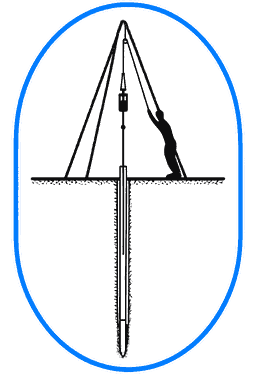
Understanding site risk
Why Soil Testing Matters?
Construction risk often starts underground. Every site is different — soil, rock, groundwater, and fill affect how loads are carried and how structures settle. Scientific investigation maps these factors early so design can reduce surprises and costly rework.
What affects your site
Ground conditions, water, earthworks, and land use — each plays a role in safe foundation design.
Soil & ground conditions
How the ground behaves under load and when excavated.
-
Type of Soil
Clay is reactive, sand settles under load, silt loses strength when wet.
-
Soft Soil
Can settle under load, affecting stability.
-
Marine Clays
May have low or no bearing capacity.
-
Rock Boulders
May move underground or create voids when excavated.
-
Rock Layers
May impact excavation.
Site access & water
Access for investigation and groundwater-related risks.
-
Site Access
Quality of access impacts site investigation.
-
Water Table
Depths can affect excavation feasibility.
-
Low-Lying Areas
Could contain acid sulfate soils.
-
Slopes
Steeper slopes may have slip potential.
Trees & earthworks
Vegetation and man-made changes to levels.
-
Trees & Roots
Roots may draw moisture, causing shrinkage near footings.
-
Filled Areas
May have uncompacted soils, causing settlement.
-
Cut & Fill Pads
Could experience differential settlement.
Disposal & land use
On-site suitability for wastewater and similar uses.
-
Wastewater Suitability
Soil suitability for sewerage and greywater disposal.
-
Land Block
Suitability for on-site wastewater disposal.
What you gain from testing
Clear data supports better decisions before you build — not after problems appear.
- Step 1
Protect Your Investment
Proper foundations prevent building movement and wall cracks.
- Step 2
Prevent Future Costs
Identify issues early, estimate costs, make informed land decisions.
- Step 3
Build on Solid Ground
Ensure safety and stability with accurate soil analysis for foundations that last a lifetime.